Dionisia Millanar
1907 – 30 August 1955
- Born: 1907, Cortes, Bohol, Philippines
- Died: 30 August 1955, in her hometown, at age 48
- Line: Paternal — father's side of the family
Source: FamilySearch civil record. Verified 2026.
 Dinagat Heritage
Family Roots · Paternal Line
The earliest confirmed record in this family's archive — and where the paper trail currently runs out.
Last updated: checking...
Dionisia Millanar
1907 – 30 August 1955
Source: FamilySearch civil record. Verified 2026.
Nobody in the family kept a written record before this. No family bible, no bundle of letters, no photographs with names pencilled on the back — just the fact of a life lived in Cortes, on the island of Bohol, at the turn of the twentieth century, and the two dates that mark its edges.
The place — Cortes, Bohol
Read more about Cortes and Bohol's place in this family's history →
Born in 1907, she would have grown up under early American colonial administration, following the end of nearly 350 years of Spanish rule just a few years earlier. She lived through the entire Japanese occupation of the Philippines during the Second World War — she would have been in her mid-thirties when it began — and died a decade after the war ended, in 1955, at 48 years old, in the same town where she was born.
That's not an unusual life for the place and period. It's exactly the kind of life that normally leaves no trace at all — which is what makes finding even this much worth writing down properly.
No record of her parents yet — that's a next step, not a dead end, since Bohol's civil registries and church records go back further than this, they just haven't been searched yet.
No photograph either, and this one may simply never be found. Every relative asked so far has come up empty — in Dionisia's lifetime, a camera wasn't something most families owned, and a photograph, when one happened at all, was rare enough to be genuinely special. It wasn't a given the way it is now; it was an occasion. If one turns up in an old box somewhere, it would be one of the most valuable things this archive could hold.
Two branches, built from records and from what relatives remember. The paternal side now traces back two generations further than we first thought — through Donato Millanar and Emilio Mecayabas Millanar's own parents, down through Emilio and Pascuala Capayas, and their eight children, one of whom was Froilan Millanar Sr. The maternal side traces through the eight Jason siblings of Dinagat Island — eight and eight, it turns out, on both sides. Dates will keep filling in as more of the family contributes — this is a living document, not a finished chart.
A note on dates: ancestors who have passed are shown with full birth dates where known. Living relatives are shown by birth year only, as a simple safeguard for their privacy.
Pascuala had a life before Emilio too. Her first husband's name isn't known yet — still being researched — but two sons came from that marriage: Mariano and Andres Capayas. Mariano went on to have a son of his own, Solomon Vicente Capayas.
↓ Froilan continues below, with his own two marriages and children
Ali's own family: brother Rey Capistrano Lanusga, sister Victoria Lanusga, and sister Leah De Los Santos — noted here, not built out further, the same as every in-law's line on this page.
Nelda's own family: her parents, Cecilio Viterbo Domingo (b. 1936) and Juanita Lopez Domingo (b. 1944), and her siblings Susan Domingo (b. 1964) and Wilfredo Domingo (b. 1965) — noted here, same as every in-law's line on this page.
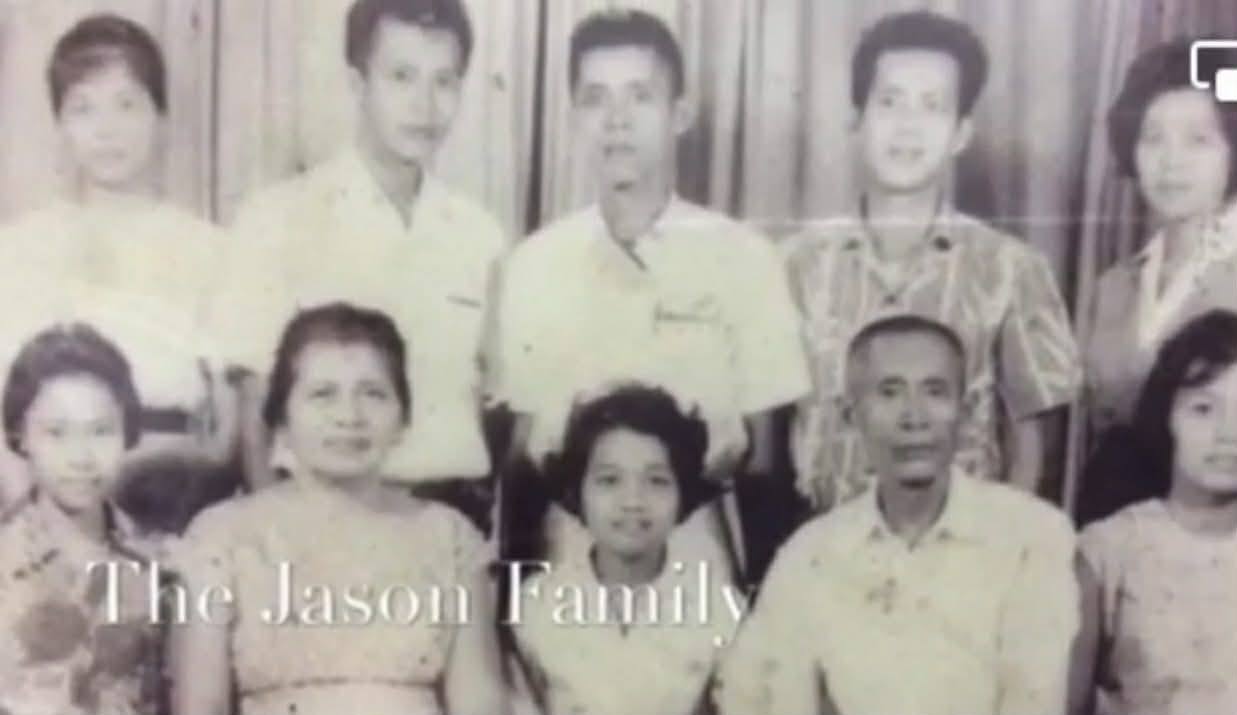
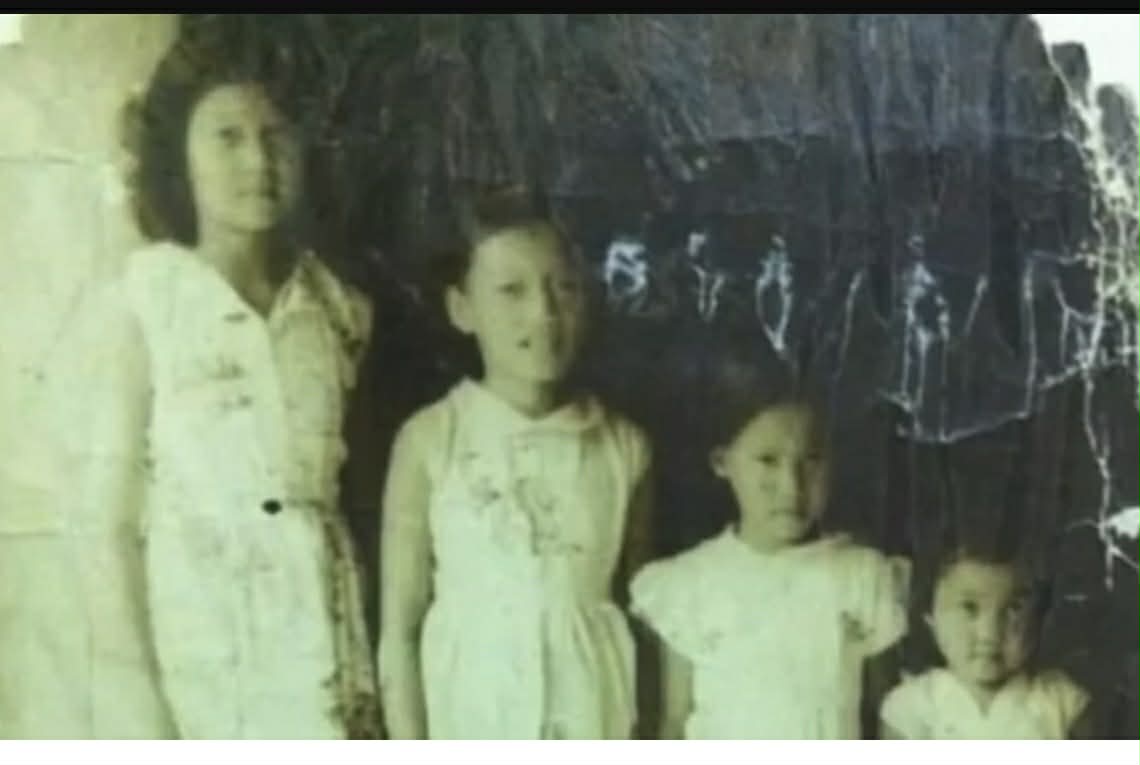
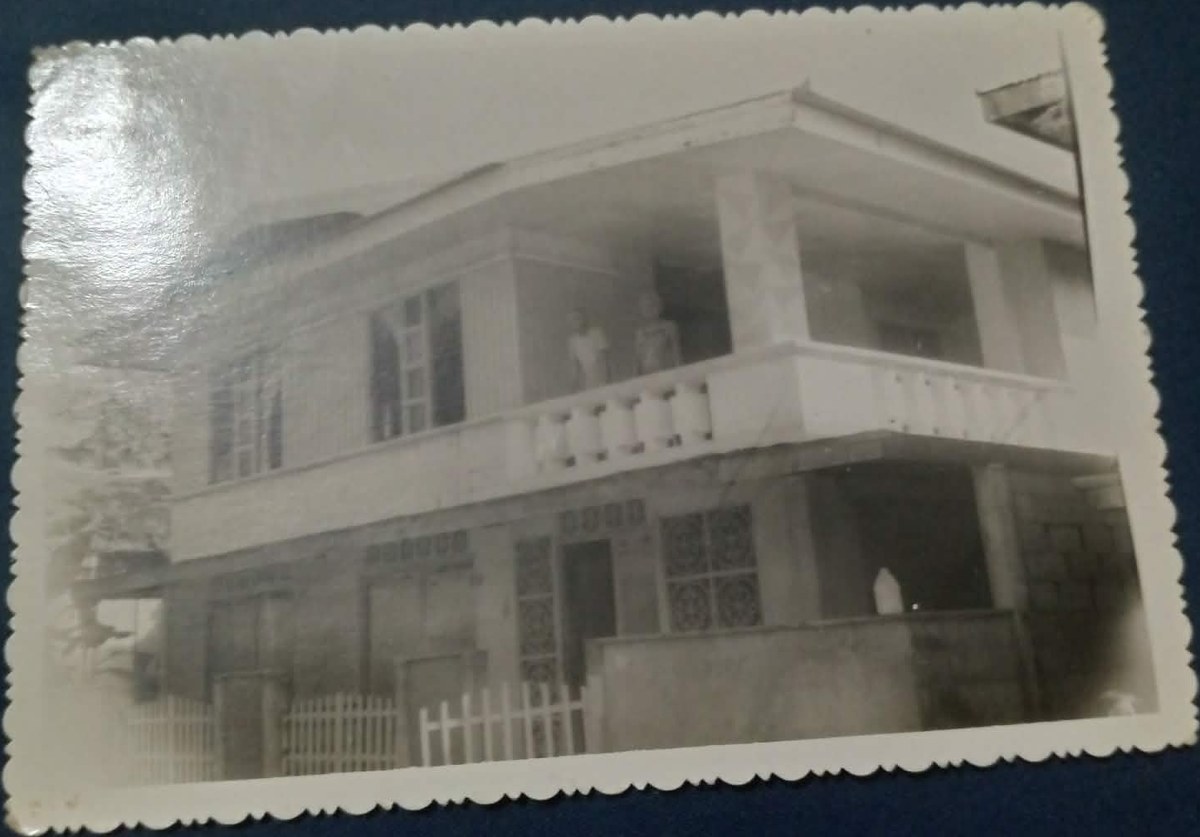
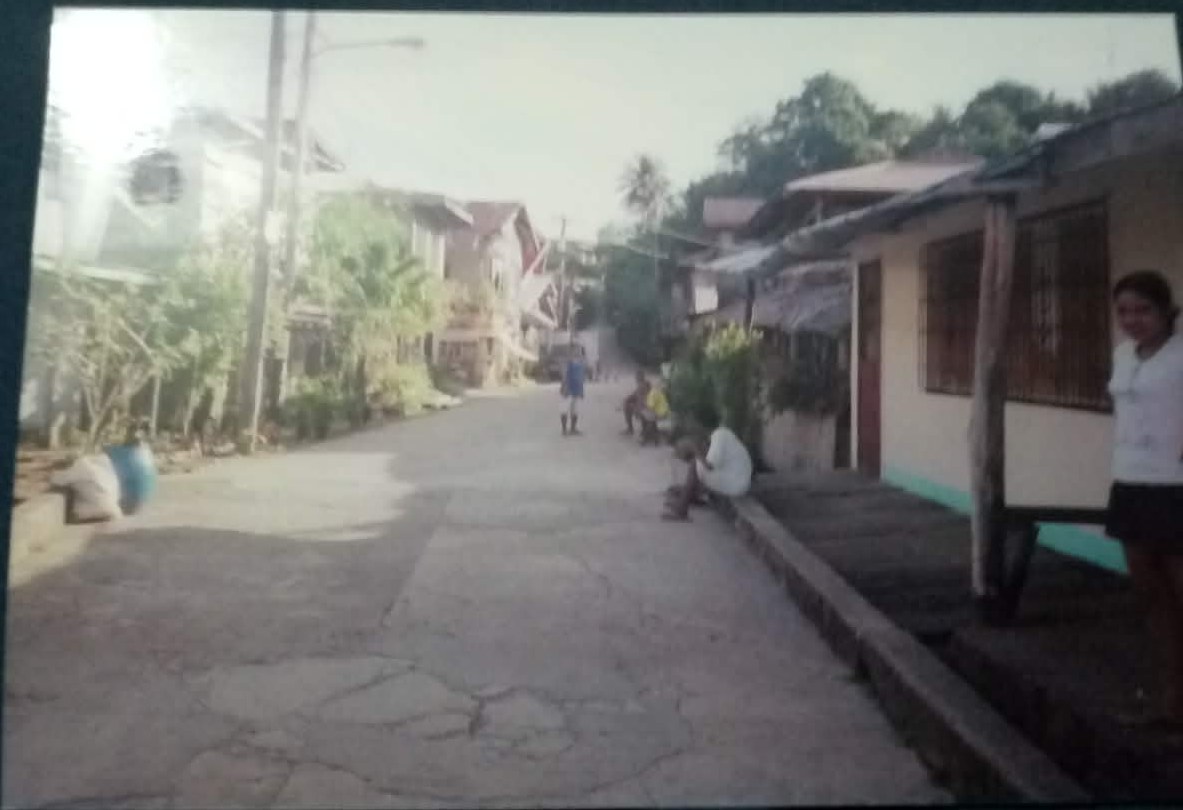
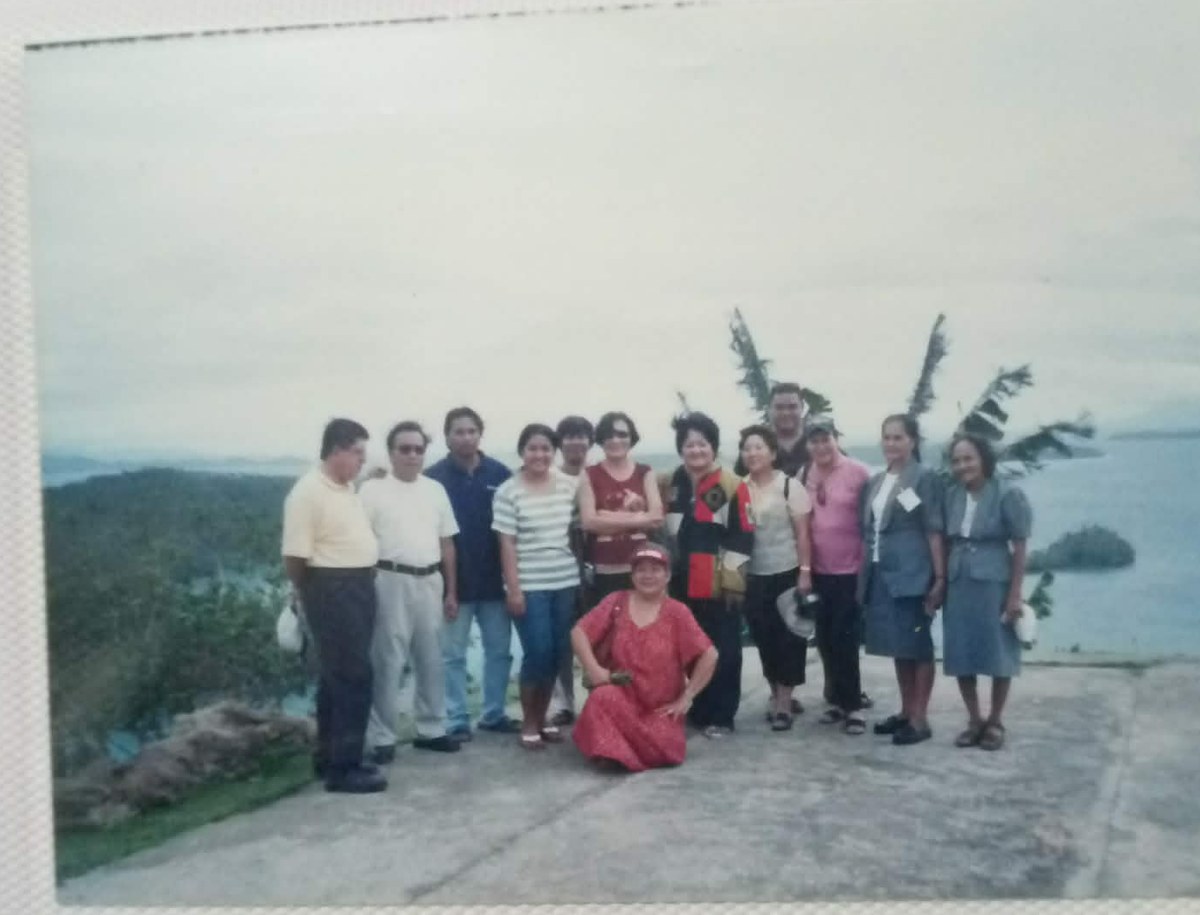
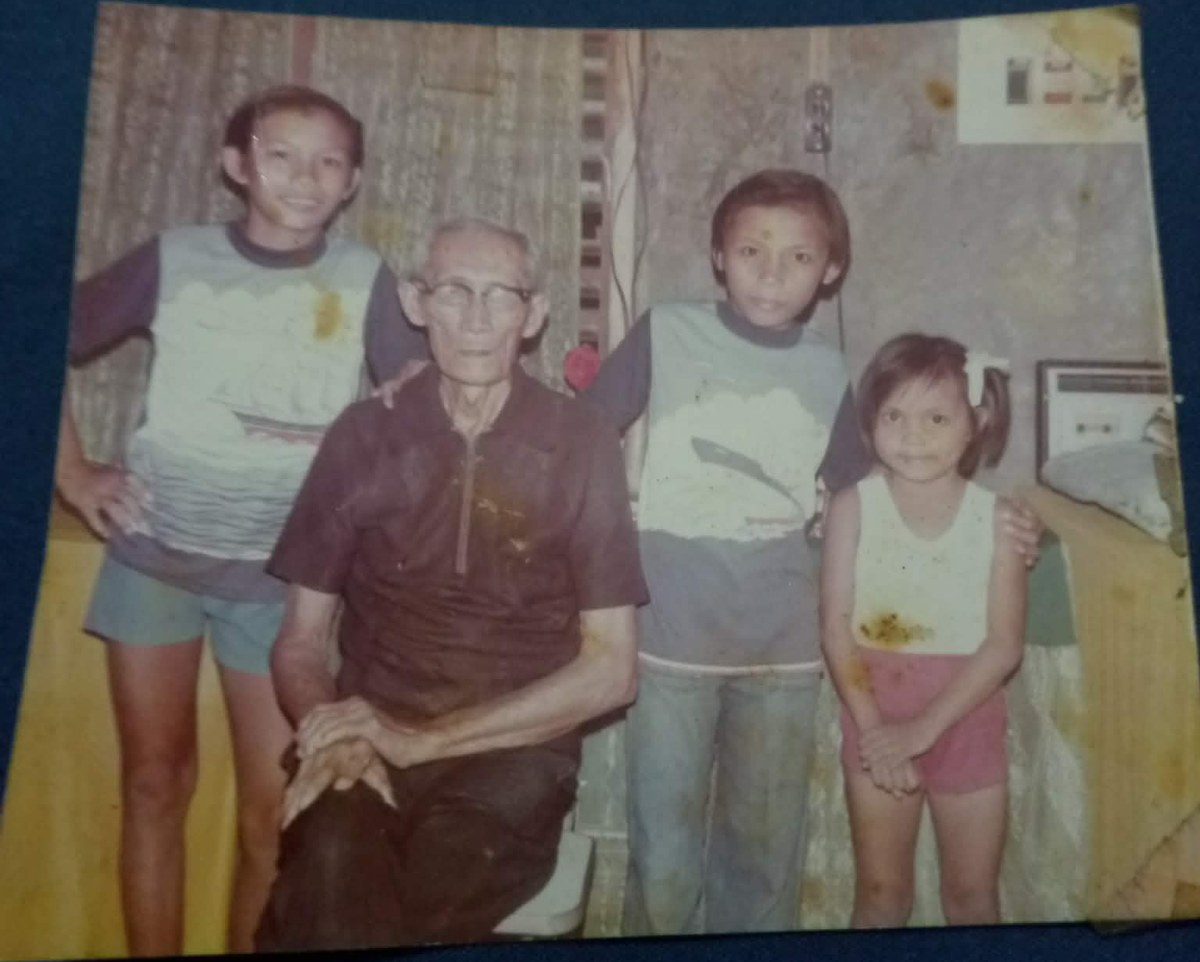
Records give you dates and places. They don't give you what a person was actually like — that only survives if someone tells it, and someone else writes it down. This is where those stories live, in the words of whoever shared them.
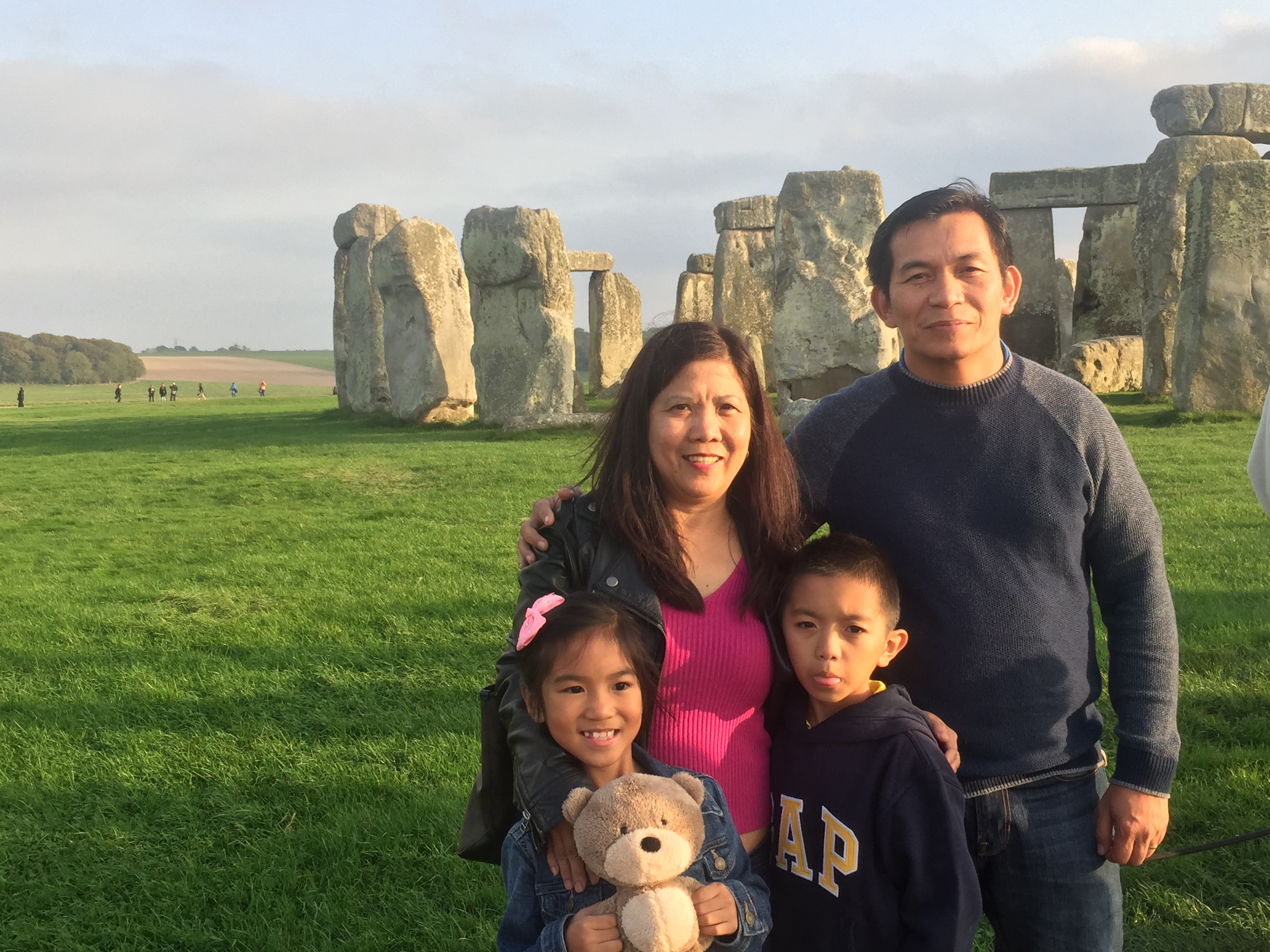
Stonehenge Adventure
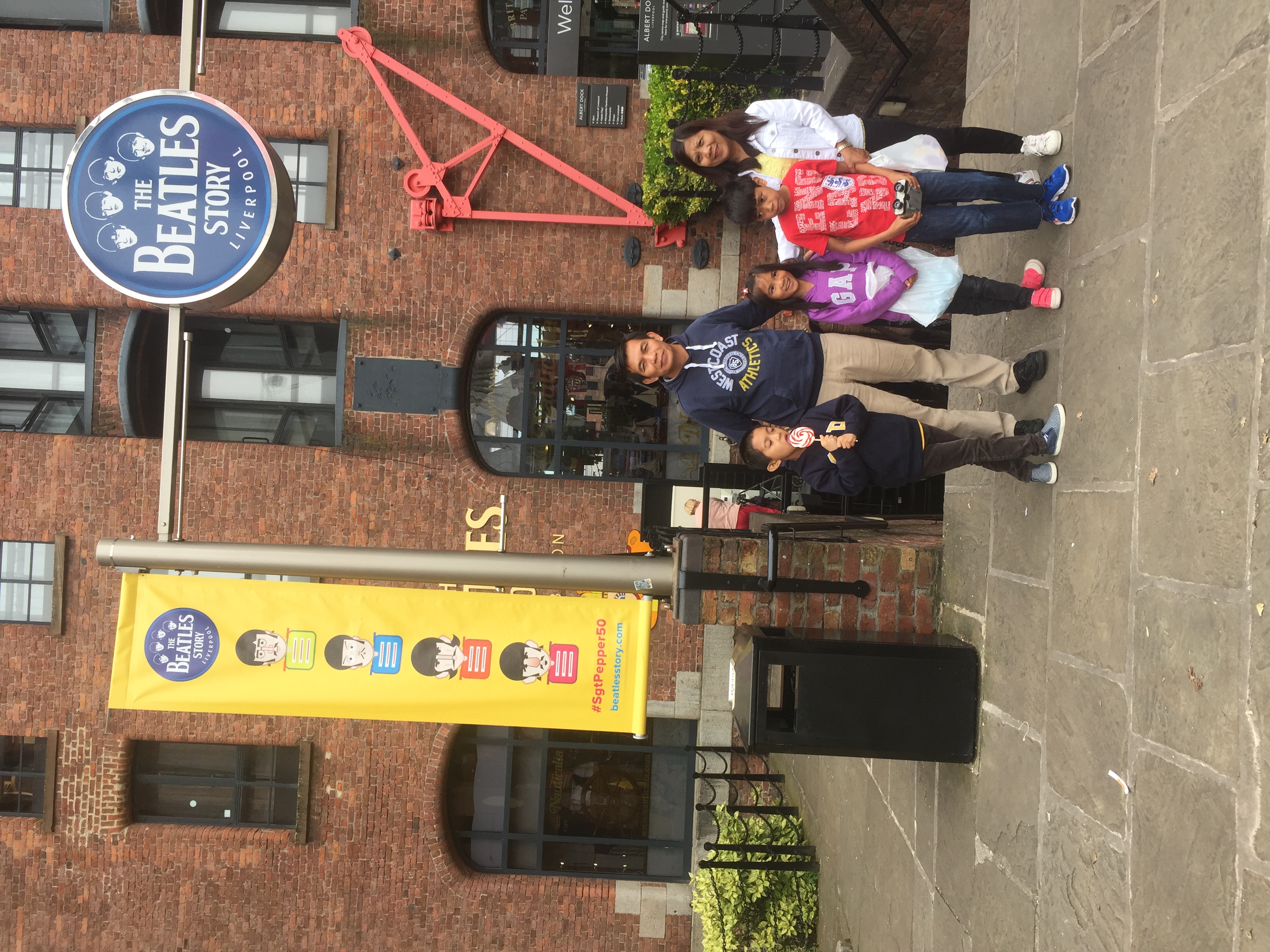
The Beatles Story, Liverpool
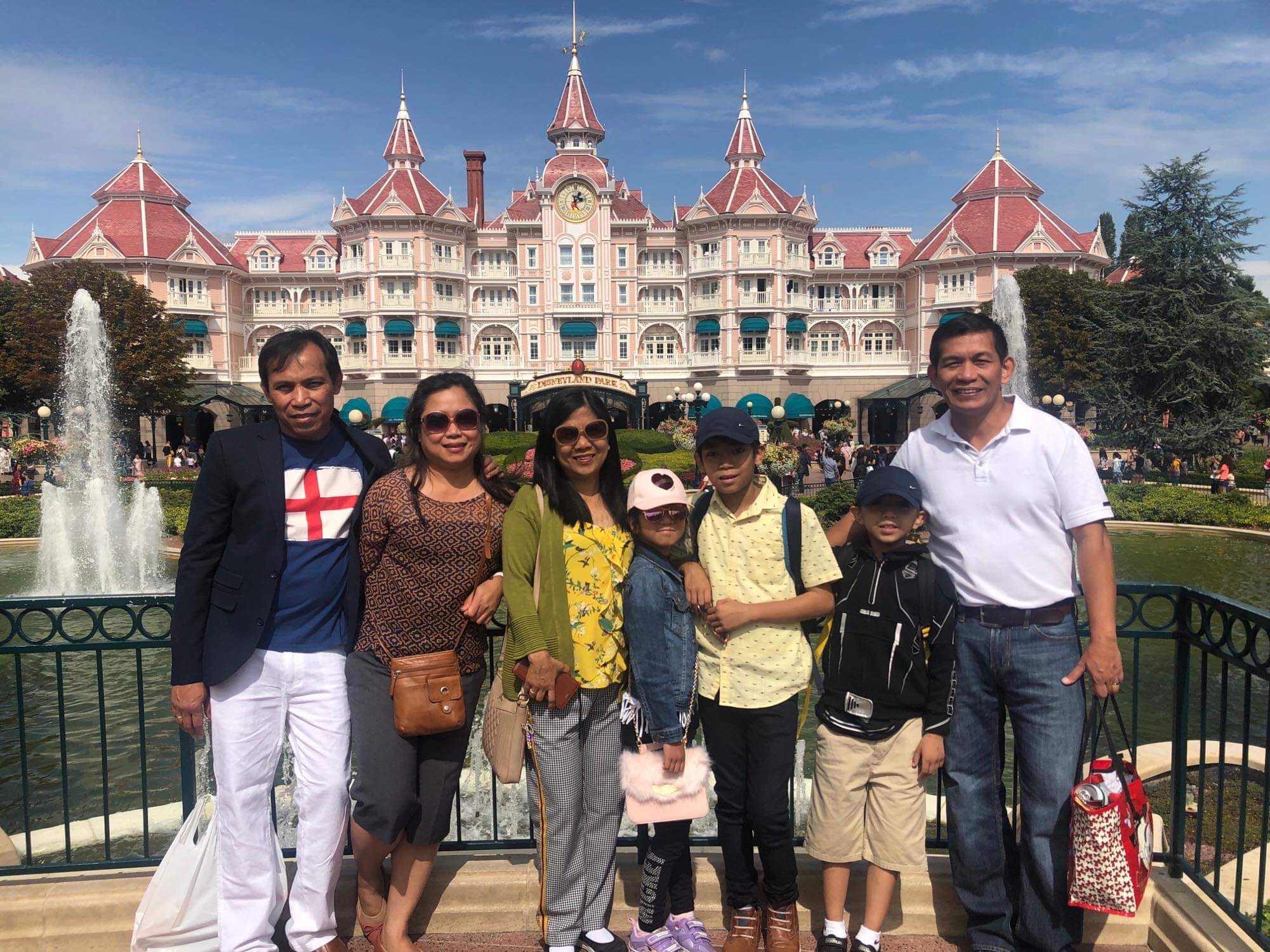
Disneyland
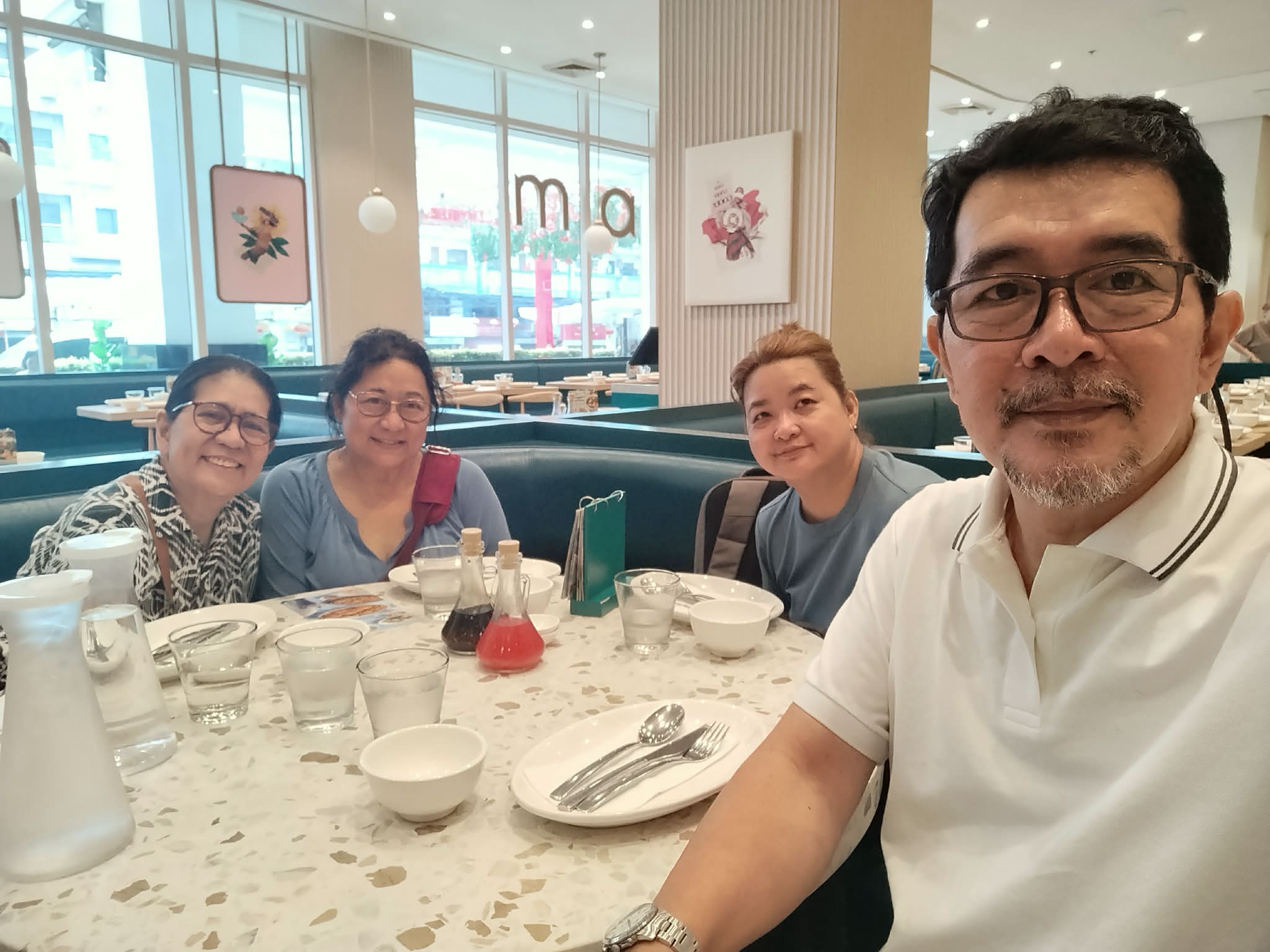
A Jason Family Lunch
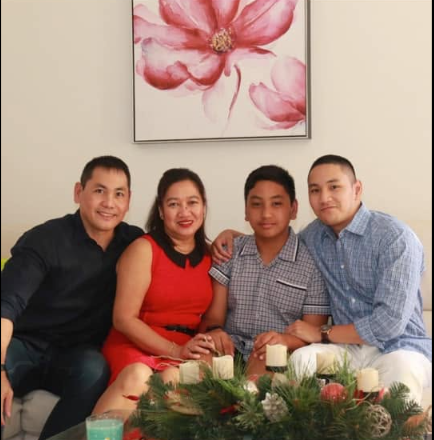
The Beberinos
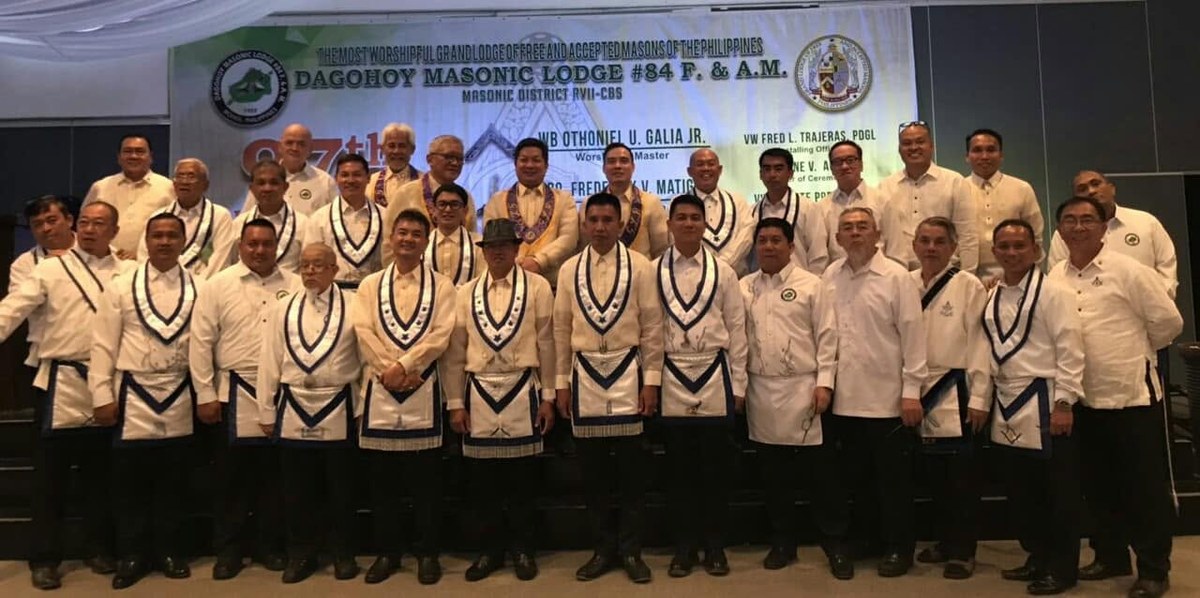
Brother Moises

Before there was an island, there was a mailbag. Grandad worked as a postman, and not the kind with a fixed route down one street — his beat was the sea itself, hopping from island to island to get letters where they needed to go. It was steady work, but not rich work. Whatever he saved, he saved slowly, a little at a time, over years, the way people did when there was no other way to do it.
What he was saving for, nobody quite expected: a piece of land of his own. A small island called Kanjinahud came up for ₱700 — a real sum in those days, the kind of number that meant something serious. He bought it outright. Whether he already suspected what was under the ground, or just wanted a place that was finally his, I couldn't tell you. What I do know is that it turned out to be rich in chrome — a quiet stroke of luck that gave the family a real source of income for years afterward.
But grandad didn't just own that island. He worked it, mostly on his own — clearing it, learning its ground, deciding what would grow where. And what grew there, eventually, were pineapples. Rows of them, planted by hand, tended the same way. I used to help him with that part, when I was young enough that helping mostly meant following him around and doing what he showed me.
The trouble was the uwak — big black birds that came at night and ate the fruit straight off the plants, patient thieves that knew exactly when the pineapples were ready. There was no fence that stopped them, no trick that worked twice. The only thing that actually worked was a man staying awake for it.
So that's what grandad did. After dark, when the rest of the island went quiet, he'd go back out there alone — into the middle of it, no light but what the moon gave him, carrying nothing but a couple of sticks and whatever stones he could gather at his feet. And he'd wait. Not for a minute or two — for hours, patient the same way the birds were patient, until he heard wings or rustling in the leaves, and then he'd move.
It sounds like nothing, written down. It wasn't nothing. It was properly dark out there, and it was genuinely a little frightening — but he never once seemed to care. He was one tough guy. And there were nights he let me come with him. I think it was because he knew I wouldn't complain, wouldn't ask to go back early, would just sit still and follow his lead into whatever the night brought. So I did.
Those nights on Kanjinahud are where whatever fear of the dark I had came from — and, strangely, where it started leaving too. I'm not as afraid of the dark as I used to be, and I think some of that credit belongs to a man with a stick and a pile of stones, standing guard over his pineapples, treating the whole thing like it was nothing at all.
Kanjinahud — the island a postman saved for, bought for ₱700, and defended one pineapple at a time.
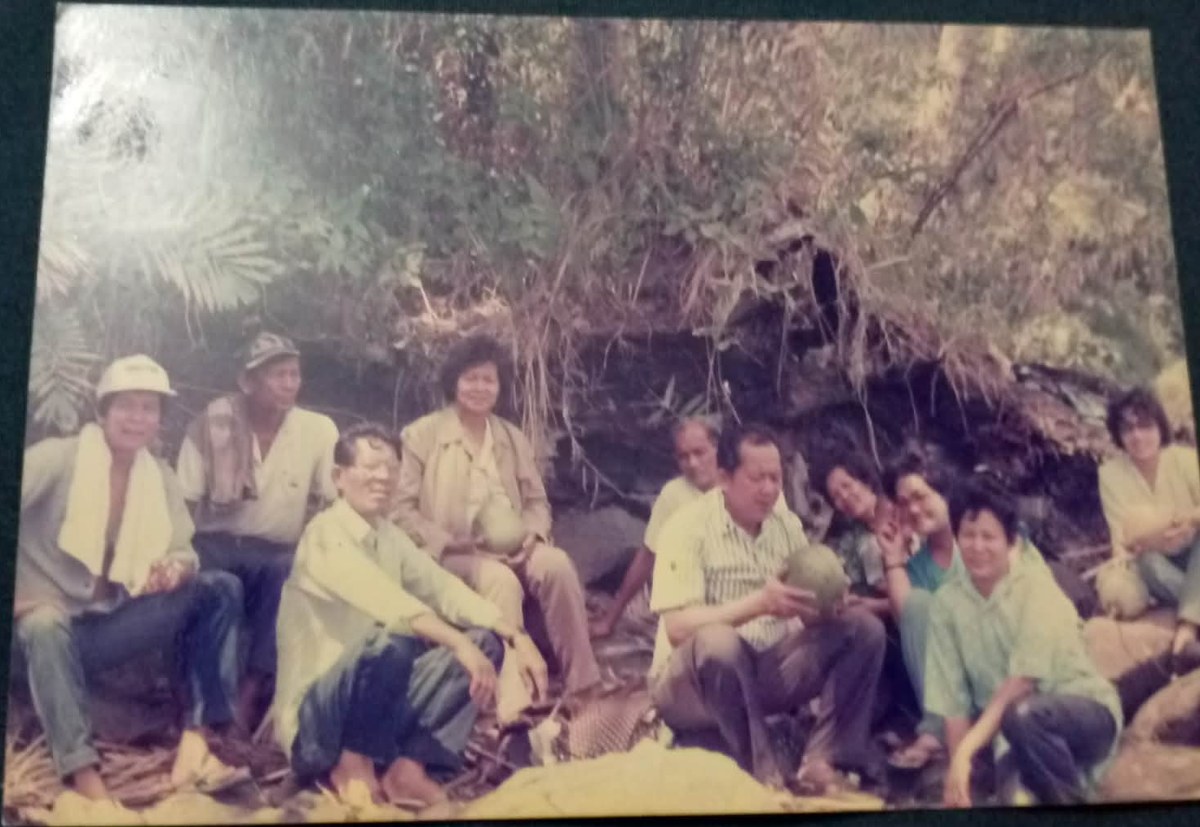
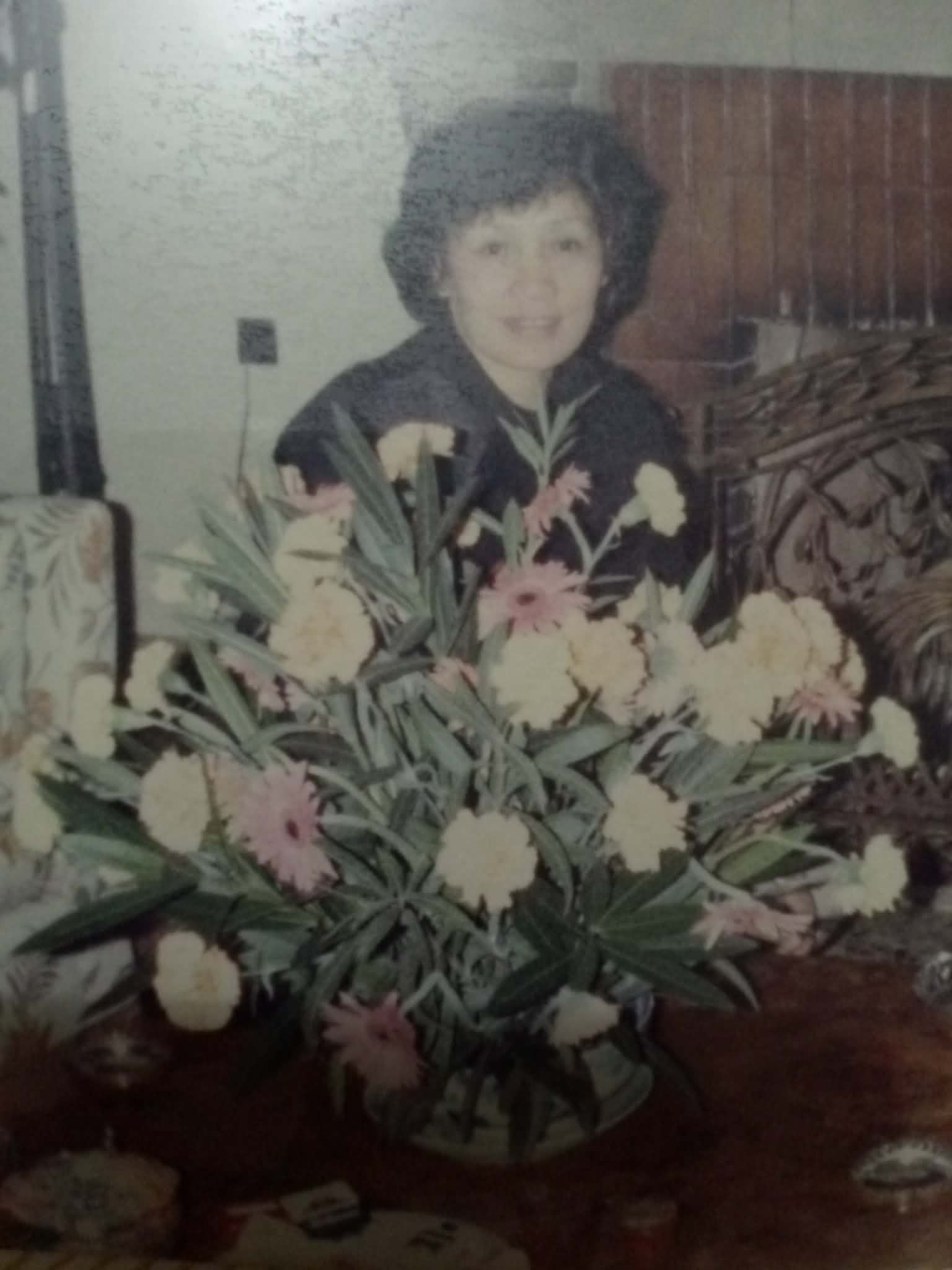
Mama's Dinagat
Close your eyes, I asked her — what do you see when you think of Dinagat? Back then, she said, not now. Back then, we had a small house — not the one you'd recognize today. That's where I stayed, with Mila and Father. He worked as a clerk at the Dinagat Municipal Hall. I was in fourth grade, and so was Mila.
Weekdays belonged to school in Dinagat. Weekends belonged to Canhinawod, where Father and Mother actually worked the land — planting, harvesting, living off it properly. The property itself grew over the years in a way she still remembers clearly: neighbors who borrowed money from her mother and couldn't repay in cash ended up paying in land instead, piece by piece, until Canhinawod was larger than it had ever started out.
She was there for the pineapples too — planting them with her father, the same pineapples her own grandson would later help guard from the crows decades on. There was a stream nearby thick with payaw and kangkong, and a wide banana grove her mother turned into vinegar and tuba, palm wine drawn from the nipa palms growing alongside. Nothing on that land went to waste — even the nipa fronds were woven into roofing thatch and sold.
Childhood itself was simple by design, not by lack. No computers, no television — just piko-piko (hopscotch), taguan (hide-and-seek), swimming in the sea, and balls made from coconut husks. Out of her seven siblings, she was closest to Marine — Miling, the youngest — quiet, easy to talk to, never one to get tangled in other people's business.
Later came Manila — Tondo specifically, a rented house on Lakandula Street, where she lived with several of her siblings while one of them worked as a seamstress to help support the household. She and Mila both studied at Mapúa — she made it to her fourth year before the coursework got the better of her, the same subject that gets most people at Mapúa. To save the jeepney fare home, she and Mila would walk instead, and spend the money they saved on apples to eat along the way.
Asked what she'd want the next generation to know, she didn't hesitate: life was peaceful back then. No fights, no drama, nothing like the noise of today. You went outside and you felt safe. You had peace of mind.
Recorded by phone, and translated from the original — the words are hers, even where the language changed on the way to this page.
Did one of these stories bring back a memory of your own? Say so on the Facebook page — a comment there does more for this archive than any like ever could.
Have something to add — a memory, an old photo, a name that finally makes sense of a gap in the tree? Contribute it here, or find us on Facebook if that's easier.
Justo Piodo Jason had a first wife before Isidaria — her name isn't known yet, but the three children from that marriage carried forward under a slightly different spelling: Jazon, not Jason. It's the same kind of surname split documented earlier on the paternal side of this family — a midwife recording births by hand, at home, with no formal documentation to check the spelling against. The kind of small typographical drift that was almost inevitable in that era, and happened at least twice in this family alone.
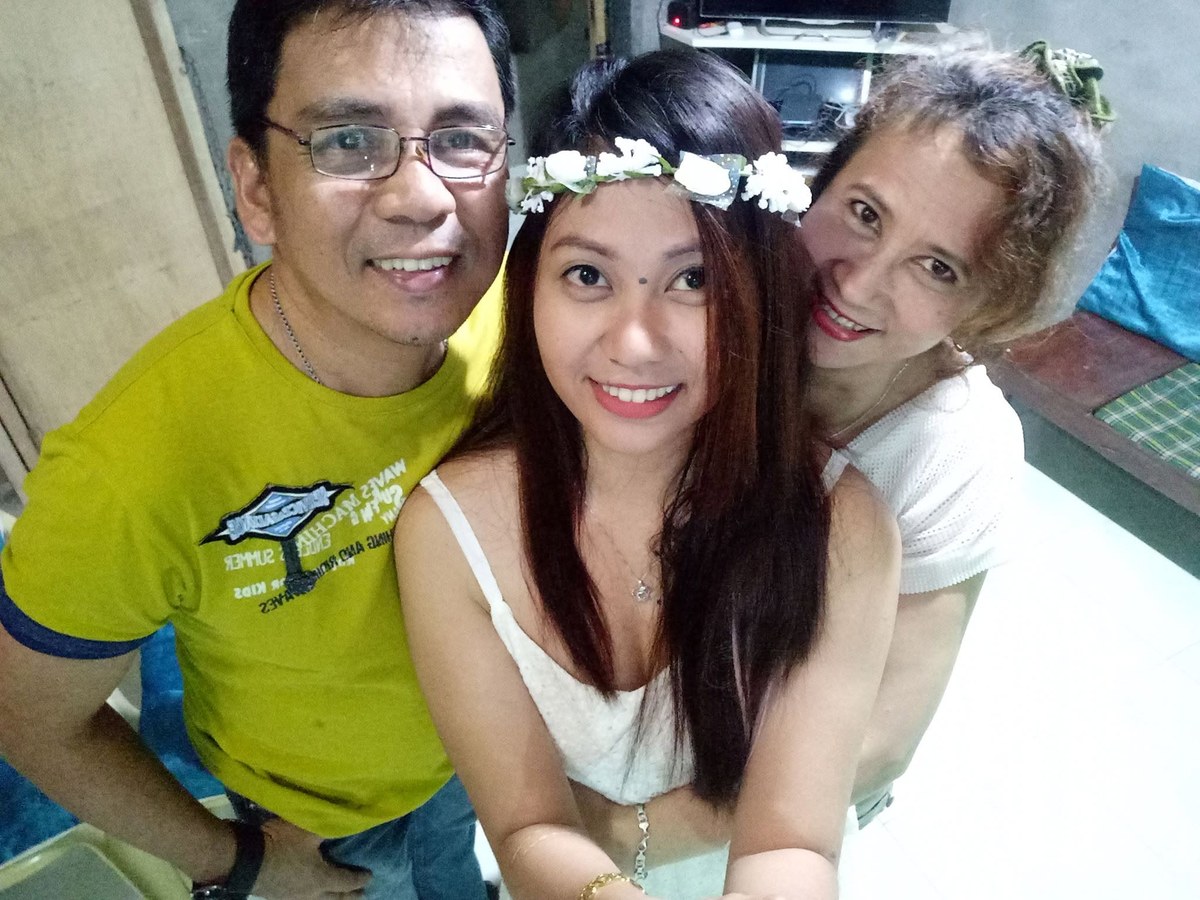
If the Jazon spelling looks unfamiliar to anyone reading this — that's exactly why. Same family, same blood, one clerical hand away from the name everyone else carries.
Every one of Justo and Isidaria's eight children went on to raise families of their own. This is the fullest count so far, branch by branch — seven families, documented with the same care as everything above.
Panfilo wasn't just an association officer later in life — in his university days at Far Eastern University, he held a high rank in the school's ROTC corps. One morning, family legend has it, two classmates showed up late to drill, uniforms a mess. Panfilo walked the line in front of the whole formation, inspecting out loud as he went: "Unauthorized shirt." A tug at the sleeve. "Unauthorized boots." A glance down. Then he reached for one cadet's ungroomed moustache — "...and unauthorized face."
The corps lost it. The two latecomers, by all accounts, did not find it quite as funny, and went looking for him afterward. As the story's told in the family, it was the girls in his class who closed ranks around him before things went further — which is, as much as the joke itself, where "The Dashing Debonair" is said to have come from.
Long before there was a website, there was a banner: "Dinagat Association Manila — Induction Ball — February 22." The exact year is still unknown, but the fashion in these photographs — the pompadours, the narrow ties, the barongs — places it somewhere in the late 1950s or 1960s. Whatever the date, one thing is certain: Dinagat Islanders living in Manila had already organized themselves into a proper association, complete with officers, an induction ceremony, a live band, and — going by the sheer number of empty glasses in these photographs — no shortage of good spirits either.
Panfilo Jason appears through several of these frames — by the family's own account, he served as one of the association's officers, which would explain why he turns up at the signing table more than once. By this point "The Dashing Debonair" was a title he'd already earned back at university — and looking at the tailoring on display here, it clearly followed him into adulthood.
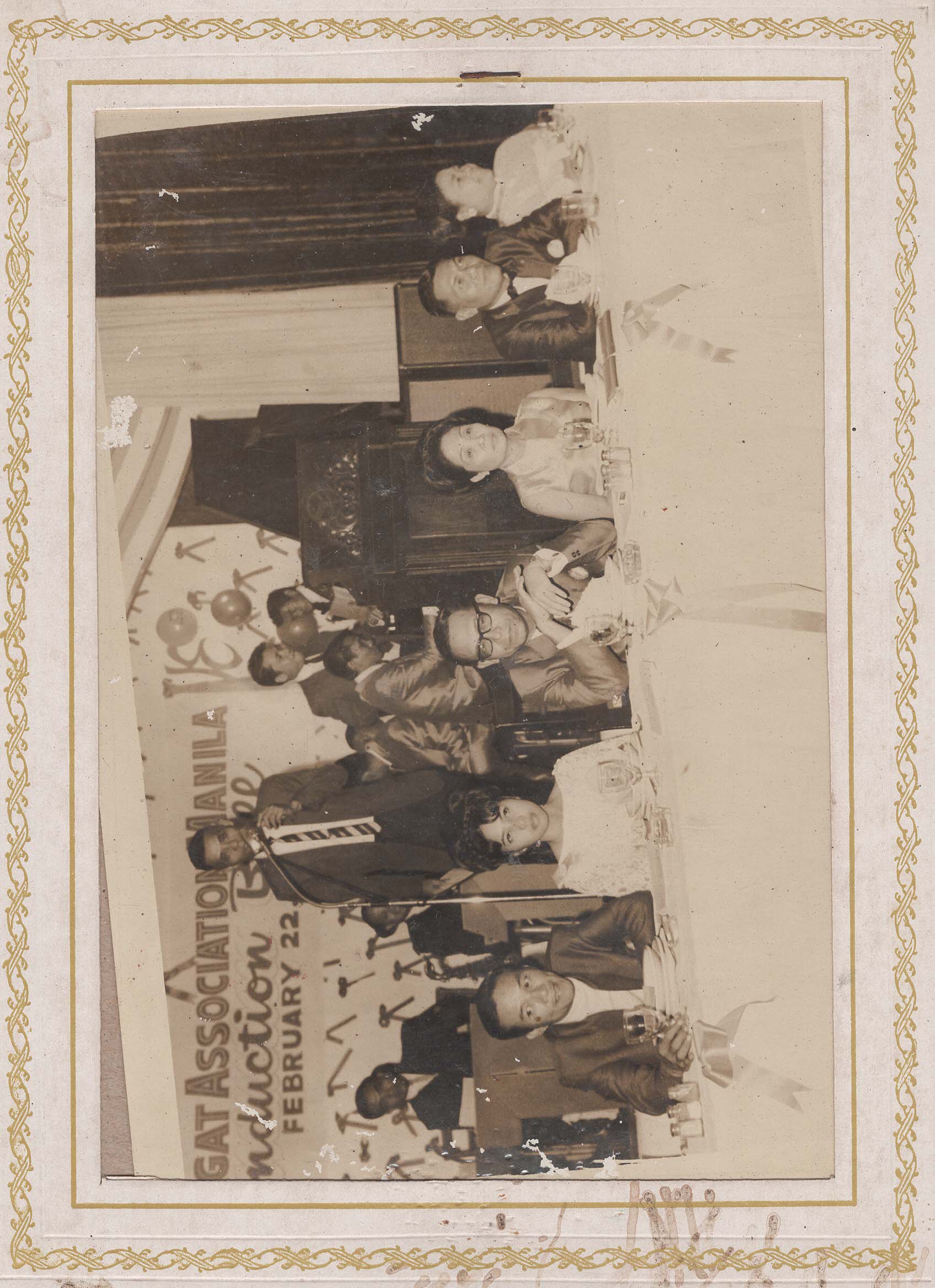
The banner tells the whole story: an Induction Ball, February 22nd, year unrecorded. A live orchestra behind the head table, a singer at the mic, and a room clearly dressed for the occasion.
The head table — Dinagat Association Manila
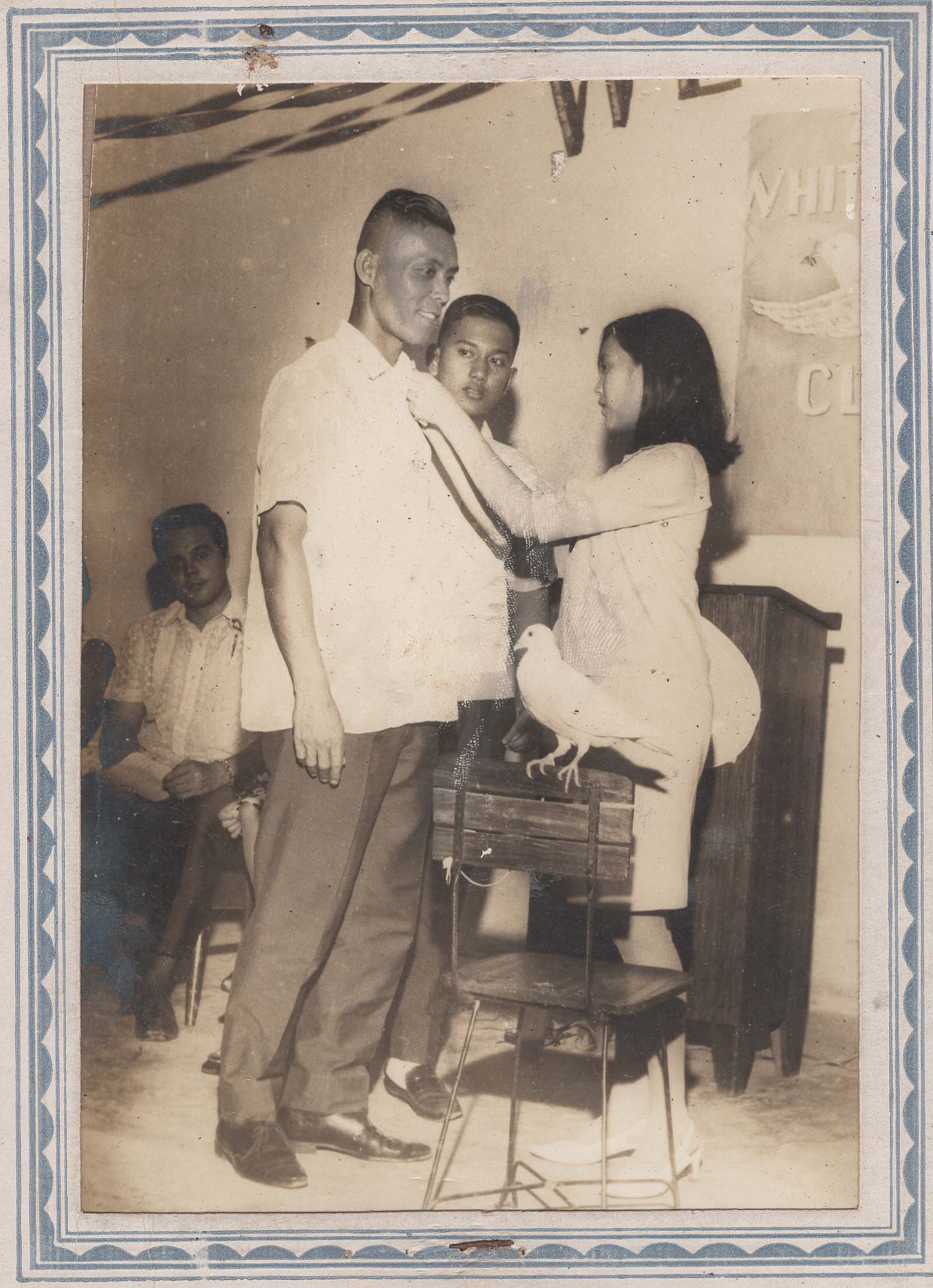
An installation, mid-ceremony — a sash placed across the shoulders, a white dove standing witness on the box beside them. Whatever office was being conferred, it was conferred formally.
The induction itself
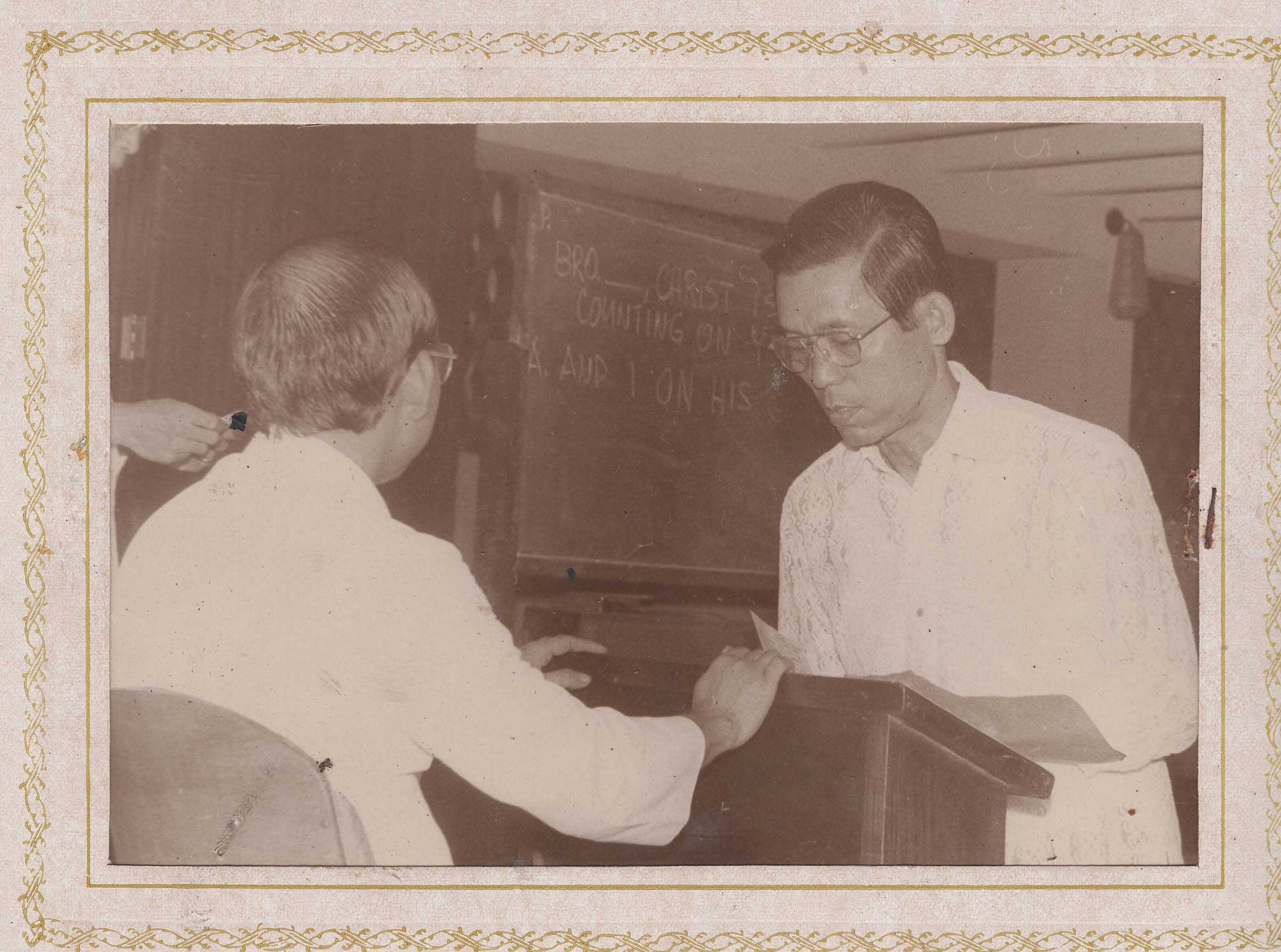
"Bro. — Christ is counting on you, and I on His —" reads the board behind them. Whatever exactly was sworn at that lectern, it was sworn as brothers, not just committee members.
Words on a chalkboard, half a century on
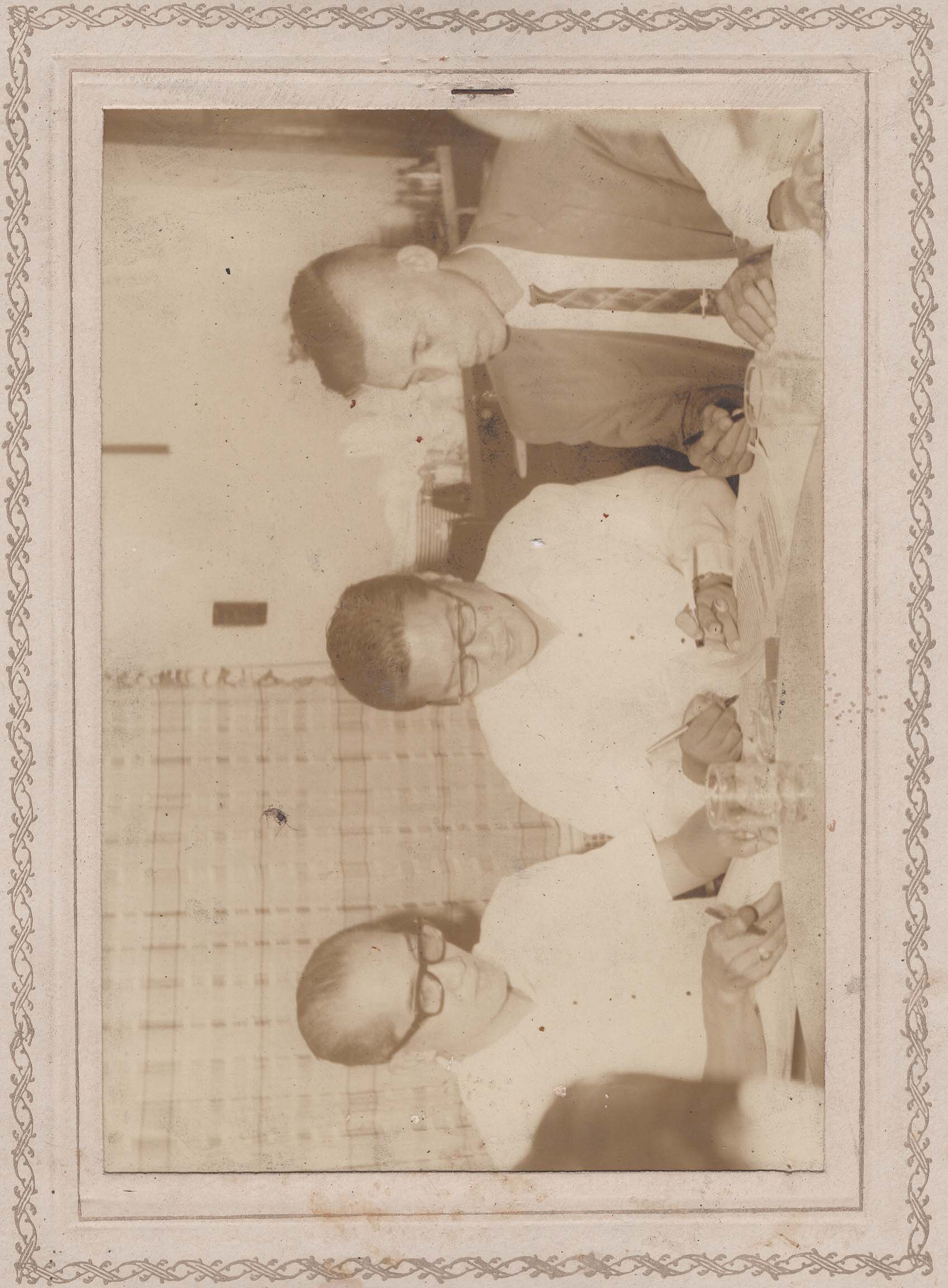
The paperwork of belonging — someone always has to sign something to make an association official. Three men, one document, and by the look of it, several rounds still ahead of them that evening.
Making it official
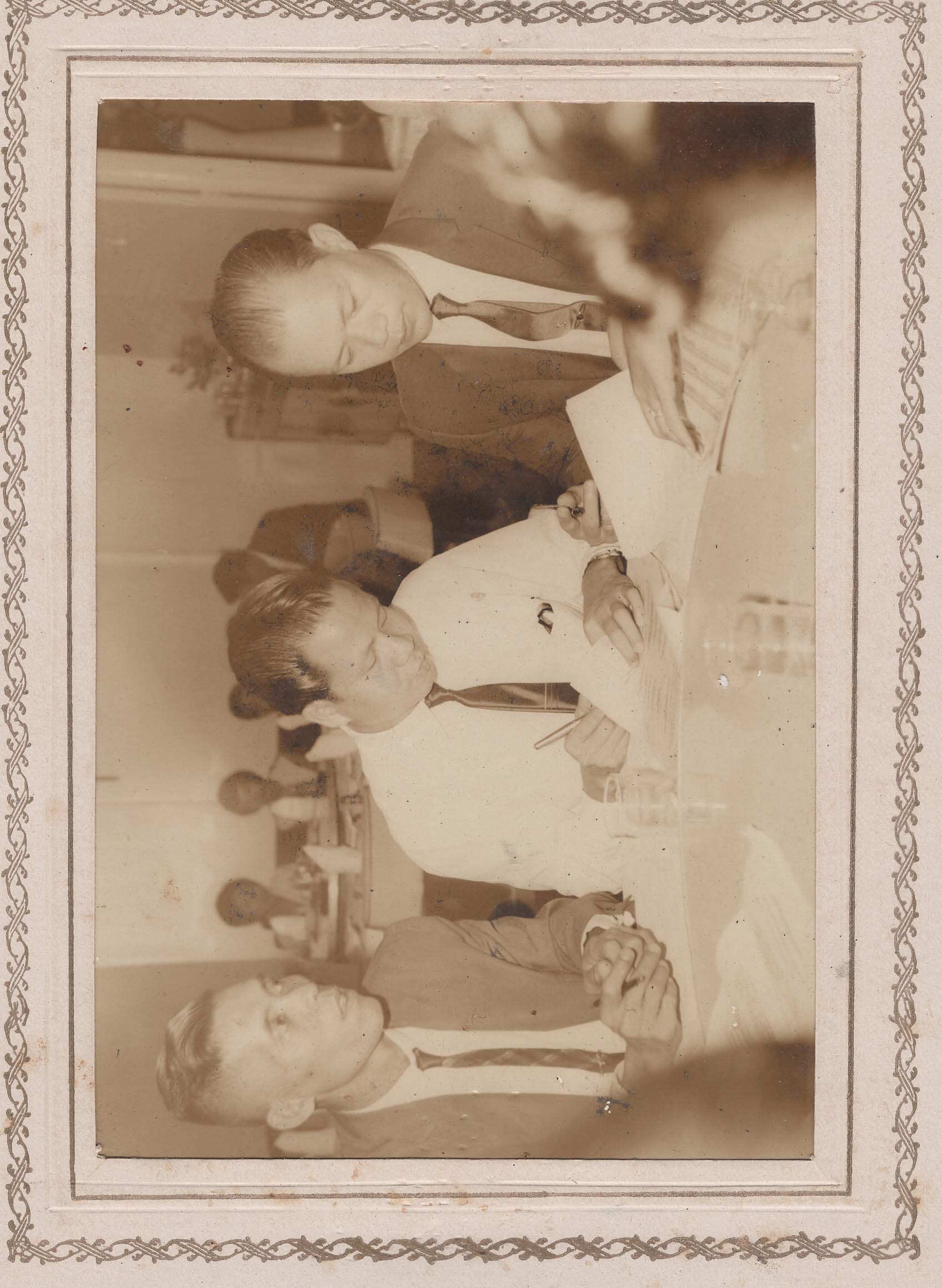
The same business, a different table — restaurant chatter audible in the background, other diners entirely unbothered by the small piece of history happening a few feet away.
More signatures, a livelier room
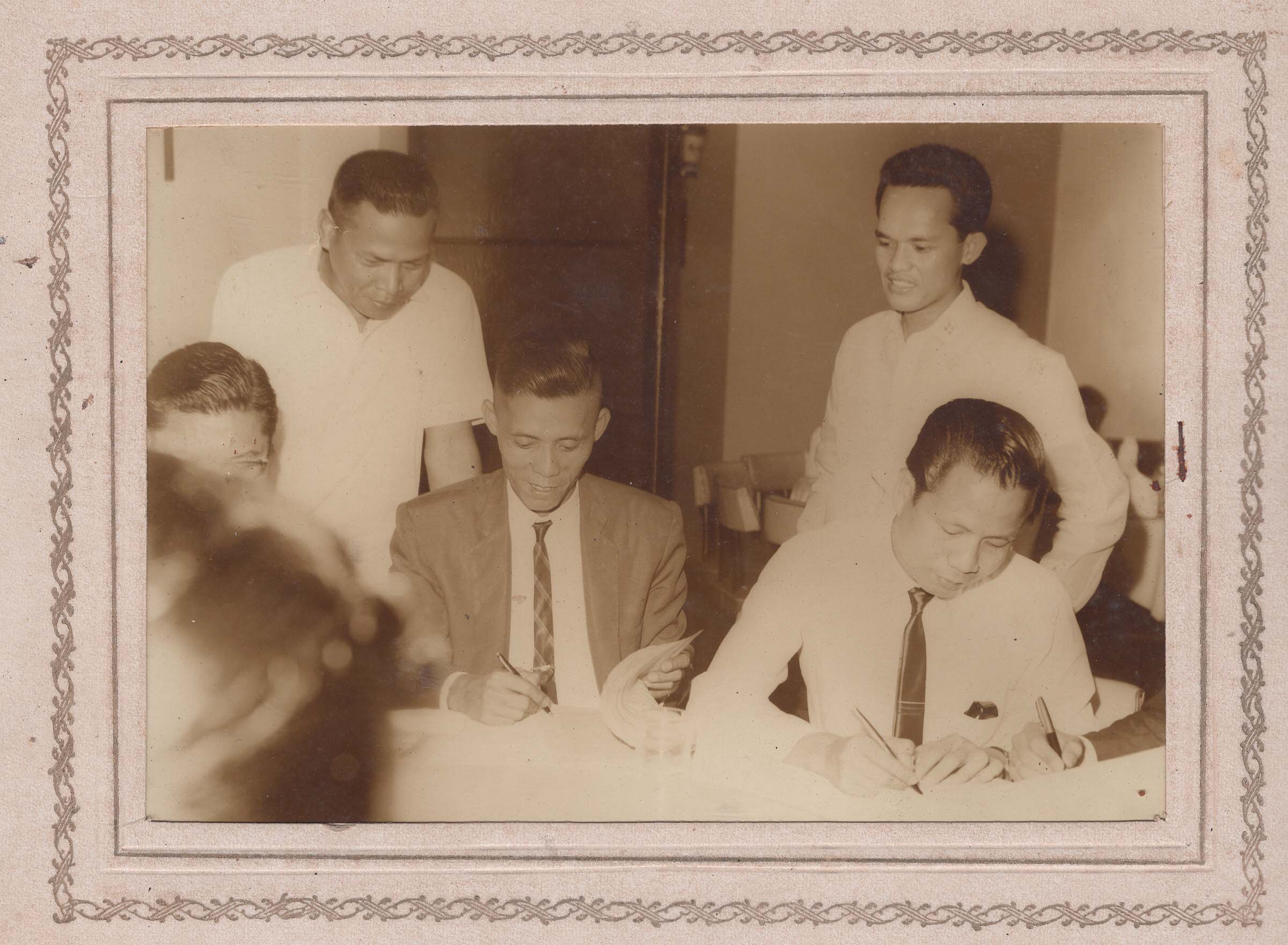
A fuller crowd this time, everyone leaning in to watch the pen move. Whatever was being finalized, it clearly mattered enough to gather round for.
The officers, finalizing something
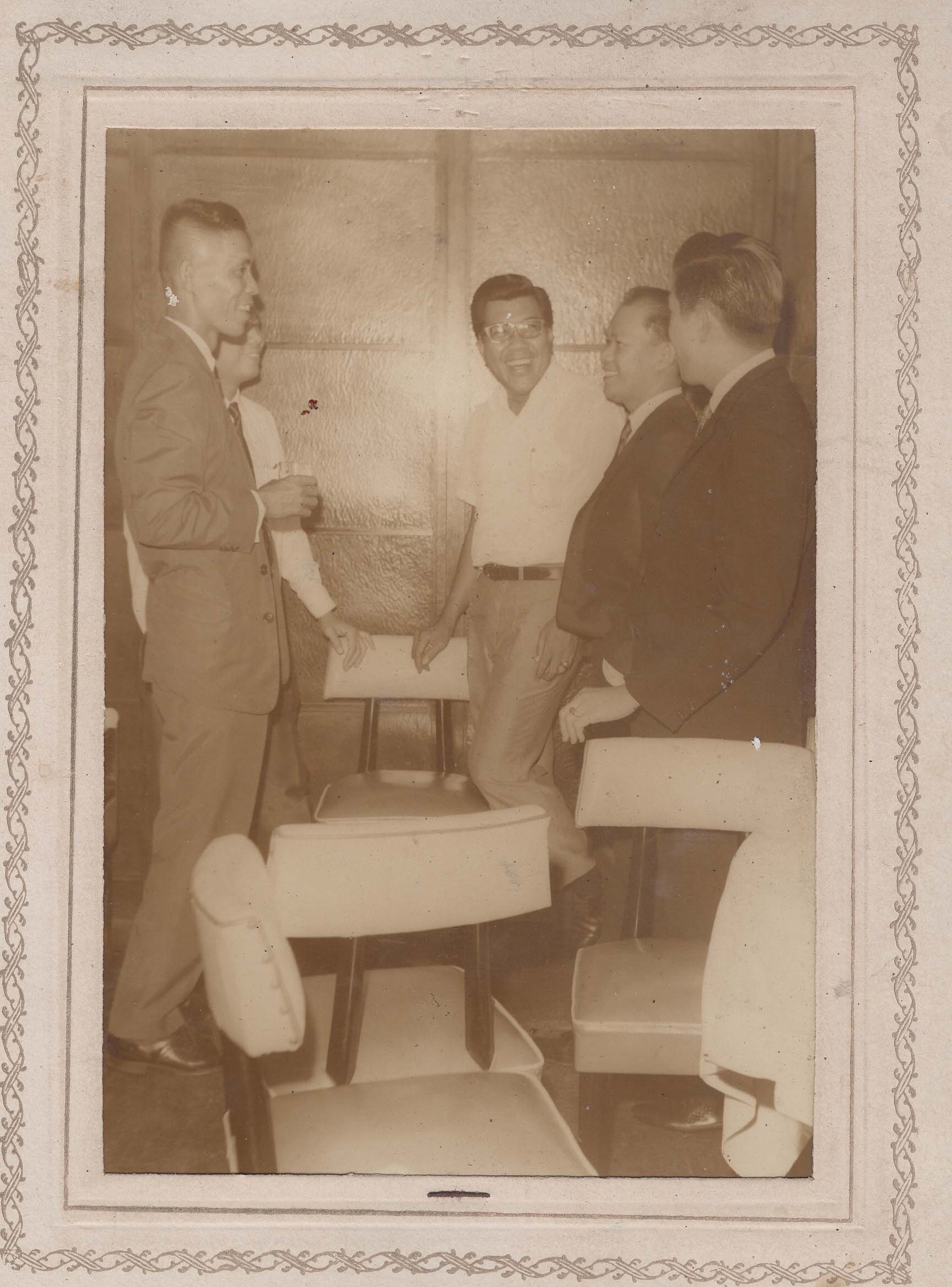
The formal part clearly over — five men mid-laugh, ties loosened just slightly, the kind of photograph that only happens once the speeches are done.
Between the ceremony and the party
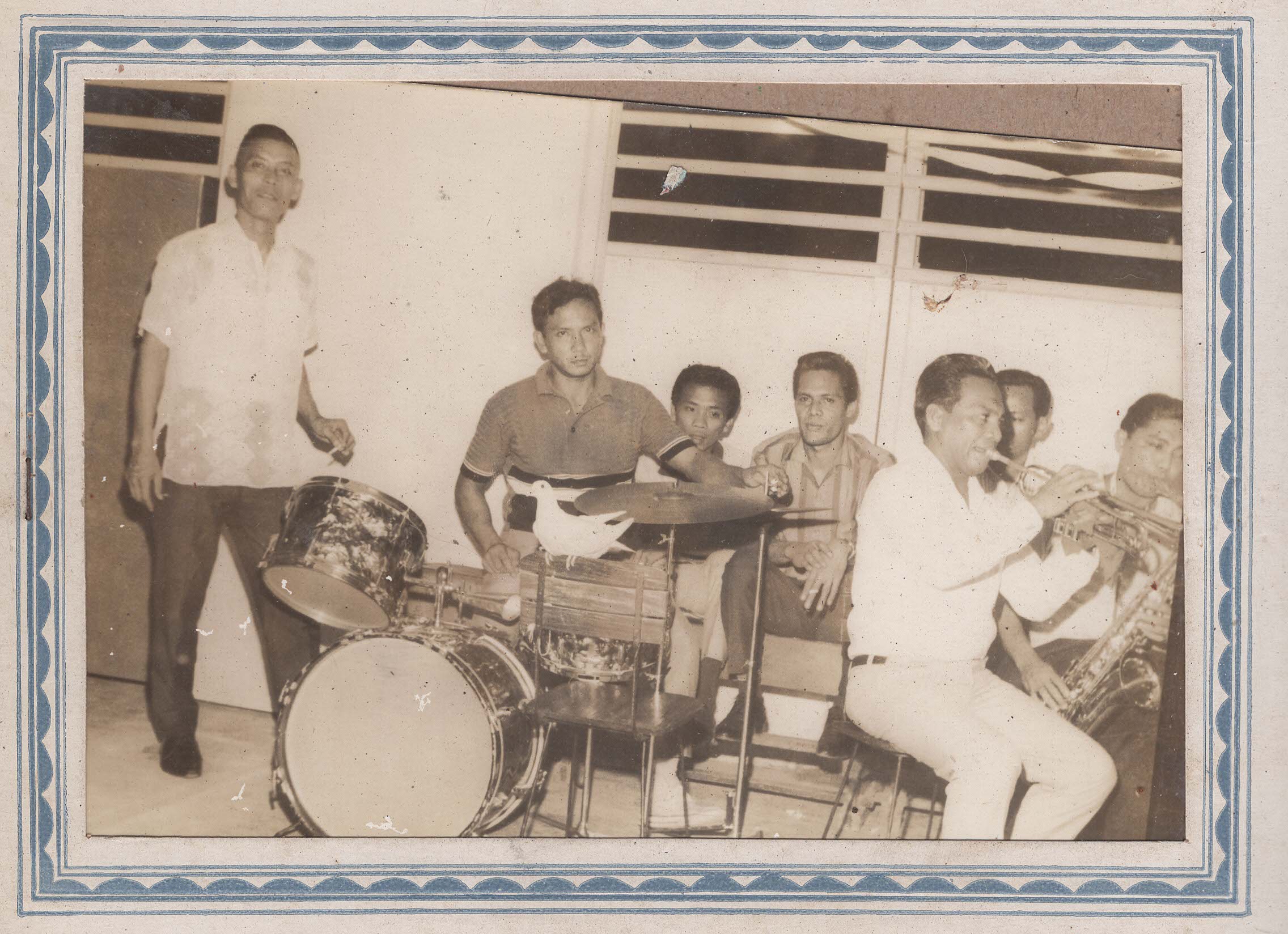
The band that kept the Induction Ball moving — drums, trumpet, saxophone, and, once again, that same white dove, perched right on the kit as if it had come with the equipment.
The orchestra
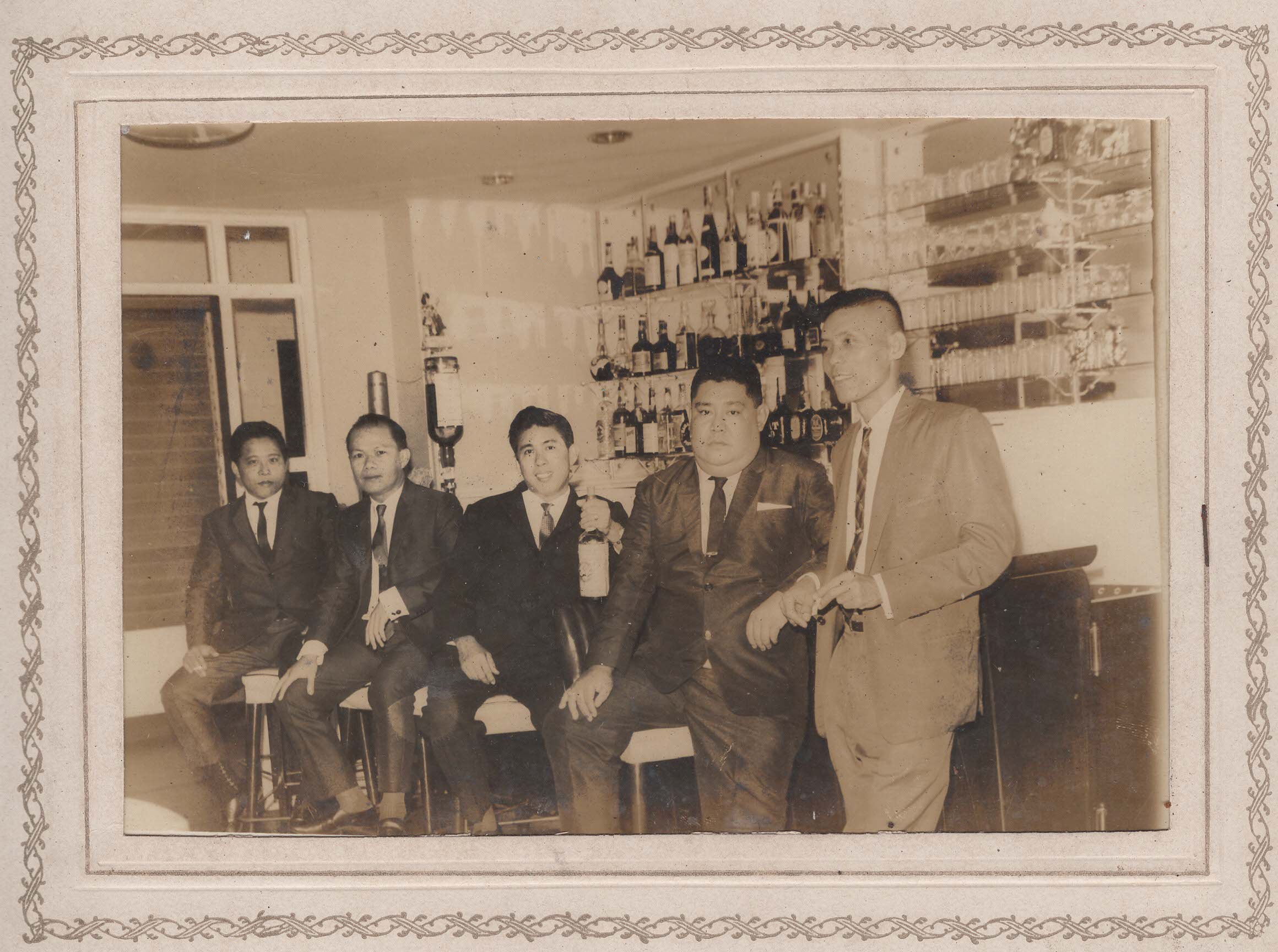
Every association dinner has its bar photo. Judging by the shelf behind them, the Dinagat Association Manila did not economize on that front.
Where the night settled
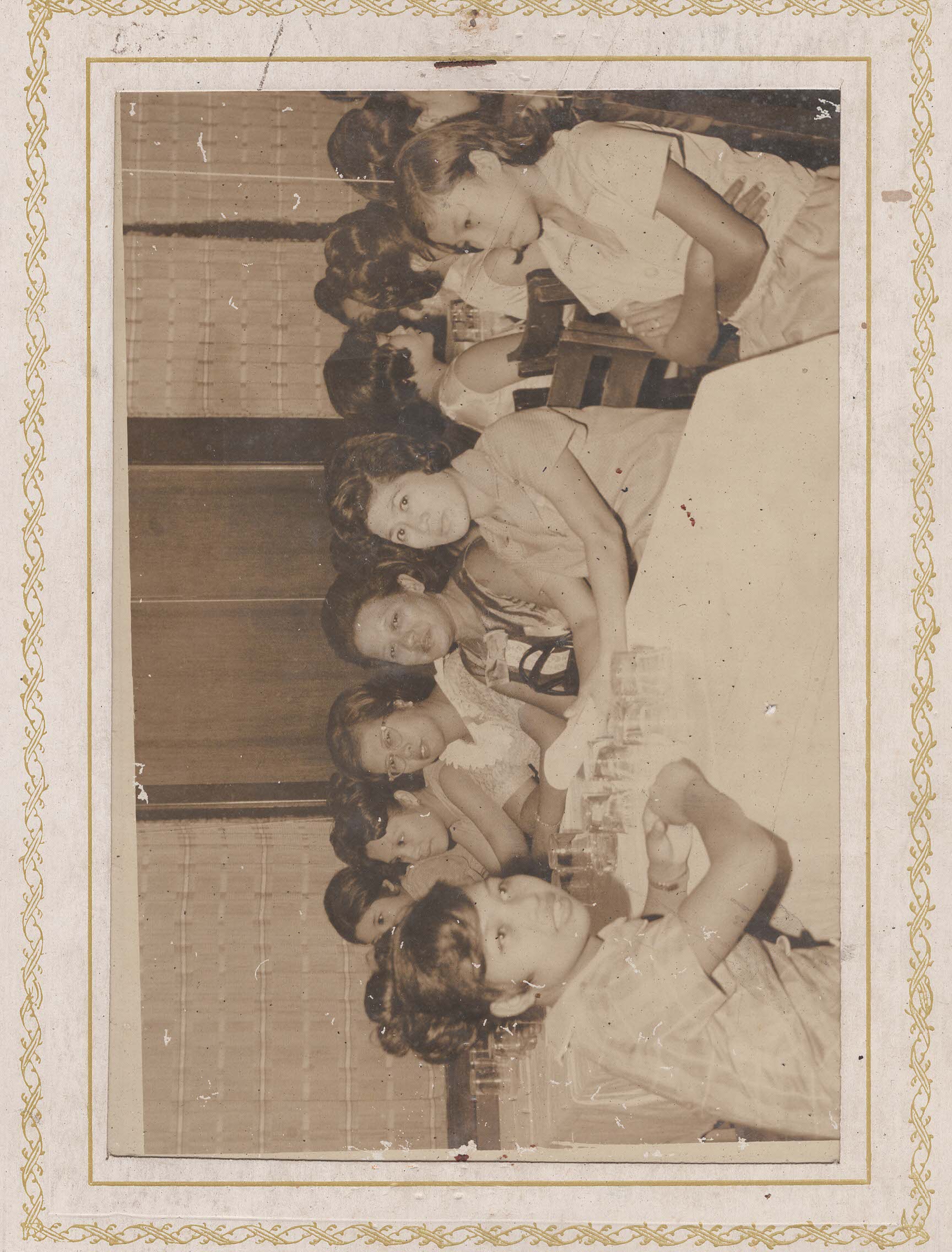
A full room of women — an entire wing of the same association, in their own formal dress and 1960s-era hair, at a table that runs the length of the hall. Whoever they were, this was clearly not a small gathering.
The ladies of the association
If anyone recognizes a face here beyond Panfilo, or remembers the actual year — this is exactly the kind of gap this archive is built to close. Get in touch.
Conchita Palomer † & Erlindo Palomer
Three children
Benjamin Langit Jason † & Ellen Jolejole
One son, adopted
Morito Langit Jason † & Leogarda Bondoc
Five children
Solita Lorenzo † & Nicanor Lorenzo
One son
Milagros Ermila † & Lito Ermila
Four children
Marianita Benitez † & Florentino Benitez
One daughter
That leaves Warlita's own children — Roland, Froilan Jr., and Marijane — already documented in full further up this page, on the paternal side of the tree.
Zacarias was the eldest of Emilio and Pascuala's eight children. He married Leonora Santos, and they had four children — Emil, Zarah, Eric, and Edwin — whose own families make up the largest single branch documented on this page so far.
Edwin had seven children in total — Patrick, John, and Anna Marie with Rose David, and three more, Vincent, Wendel, and Tyron, with another woman whose name isn't recorded yet. Both families are equally part of this line; if anyone knows her name, that's exactly the kind of gap this archive is built to close.
Fe was another of Emilio and Pascuala's eight children, married to Inocencio Penaflor. Four generations now trace down from her — the fullest single line documented on this page besides Zacarias's.
Emilio Mecayabas Millanar's first marriage produced three more children — Porferia, Marcilina, and Jose — a full branch of the family in its own right, running parallel to Froilan's. Porferia Millanar married Porfirio Ligason, and their four children carried the Ligason name forward: Wilfredo, Cesar, Imelda, and Edgar.
Wilfredo Ligason married Imelda Maravilla in 1961, and they had three children — Weisner (b. 1994), Weidna (b. 1995), and Weimela (b. 2001). That's four generations from Emilio Mecayabas Millanar down to Weimela, documented with the same care as every other branch on this page.
Four generations, documented as thoroughly as any branch on this page — this is exactly the kind of thread the rest of the family, from either side, is invited to keep adding to.
If any part of this looks familiar — a name, a town, a story someone once told you and you never wrote down — that's exactly the kind of thing this archive is built to hold. Get in touch.